The Body's Fuel Sources Human Kinetics
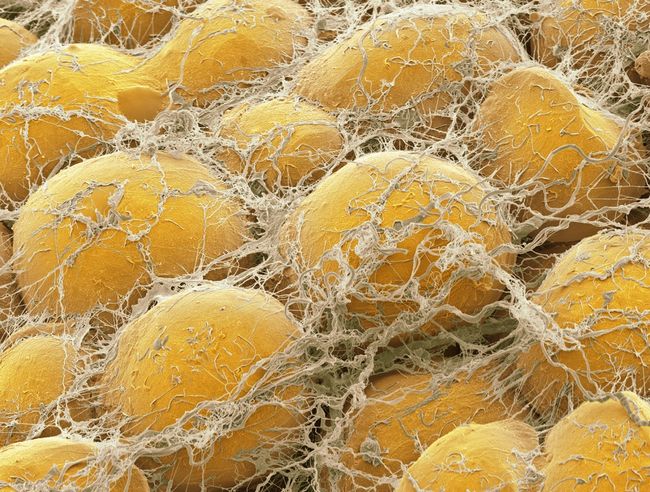
Do Fat Cells Enlarge And Burst With Rapid Weight Gain? Apo C-II triggers lipoprotein lipase, the enzyme responsible for digestion and malfunction of TAGs. Synthesis of TAGs shops in fat occurs in the fed state after a meal. Our capability to run, bike, ski, swim, and row depend upon the capacity of the body to essence power from ingested food. Think of ATP particles as high-energy substances or batteries that save energy. Anytime you need energy-- to breathe, to tie your shoes, or Back contouring to cycle 100 miles (160 km)-- your body utilizes ATP particles. ATP, in fact, is the only molecule able to supply energy to muscular tissue fibers to power contraction. She aids people optimize total health and/or take care of disease states making use of customized clinical nourishment treatment strategies. Where you'll slim down is mostly figured out by genes, each person's distinct body structure, and weight distribution. Instead, they become worried and useless, which activates a waterfall of metabolic issues throughout the body. " Any kind of understanding into the procedure of fat storage space or fat loss has implications for a lot of individuals, not simply cancer patients," Dr. Geissmann claims. Dr. Cox, together with fellow co-first writer Lucile Crozet, likewise in the Geissmann lab, carried out experiments in fruit flies and mice to get a more clear idea of how macrophages may be influencing adipocytes. They located that when macrophages were completely missing, the adipocytes might not keep fat.
- While this gives additional storage room, it does not resolve the underlying issue.
- While we remain to recognize just how this "switch" operates in human beings, there's no quick fix to shed pounds.
- The next action in the study is to see if the procedure takes place similarly in individuals.
- If you have a genetic tendency for weight problems, it is easier to take a proactive position to weight monitoring.
Fat Oxidation Vs Body Fat
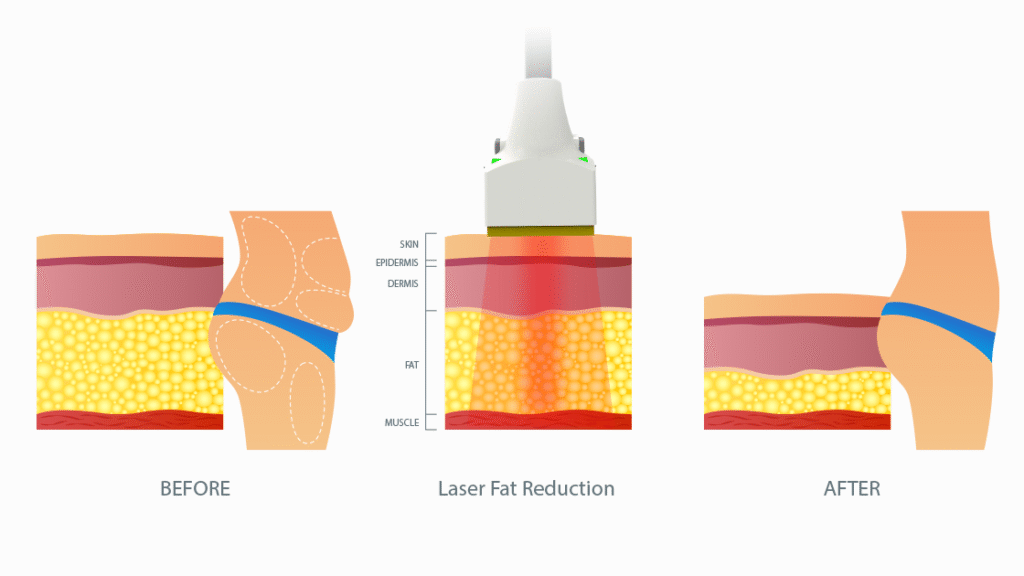
Exactly how to fool your body into shedding stored fat?
Transportation Of Fatty Acids Into Mitochondria
Individuals may have normally greater or lower set weights than others; their set points can be influenced by genetics, aging, history of weight management and hormone changes. The theory recommends that your collection factor weight can climb but hardly ever lower. It is easier to preserve your set factor weight due to the fact that your body wishes to remain at that point-- not lose weight. There are lots of problems of fat metabolism that offer with severe and particular features but are not reviewed right here as they are past the range of lipolysis, especially. These consist of, but are not limited to, fat oxidation conditions (FAODs) such as MCAD deficiency or key carnitine deficiency and peroxisomal disorders such as Zellweger disorder and adrenoleukodystrophy. Body fat is mostly recognized for storing and launching energy and giving insulation. Under normal situations, however, human beings save simply sufficient glycogen to give a day's worth of energy. Plant cells don't create glycogen yet instead alter sugar polymers known as starches, which they save in granules. The electron transport chain in the mitochondrial membrane is not the just one that creates energy in living cells. In plant and other photosynthetic cells, chloroplasts likewise have an electron transportation chain that harvests solar power. https://johnnyfwpf631.readspirex.com/posts/losing-stubborn-belly-fat Although they do not include mithcondria or chloroplatss, prokaryotes have other kinds of energy-yielding electron transportation chains within their plasma membrane layers that likewise create power. Fat cells do not rupture when you put on weight, they end up being overloaded, worried, and dysfunctional. This brings about fat spilling into important body organs, enhancing the risk of serious metabolic and heart diseases. When fat cells end up being dysfunctional, they start releasing excess triglycerides into the bloodstream. Fat accumulation in the liver leads to non-alcoholic fatty liver condition, hindering the liver's ability to process contaminants and control blood sugar.