Exactly How Menopause Effects Urinary System Health
Menopause Incontinence Blog Site For Women 40+
We're effectively blocking the flow of pee and avoiding total emptying. This brings about additional and unnecessary tension on our pelvic floor muscular tissues and our bladder. Taking magnesium and vitamin D is likewise revealed to aid symptoms of urinary system incontinence, yet use of these supplements must be talked about with your healthcare provider ahead of time. Usual kinds include stress and anxiety urinary incontinence, impulse incontinence, combined urinary incontinence, and overflow incontinence.Initially, low testosterone can add to a loss of muscle mass, including the weakening of the pelvic floor muscle mass, which boosts the risk of urinary incontinence. Later in life, the extreme decrease in estrogen throughout menopause creates the cells of the urethra and bladder cellular lining to become thinner, drier, and less elastic. Since the pelvic floor is no longer as solid, the day-to-day experience of bladder pressure really feels much more extreme. This commonly causes stress and anxiety urinary incontinence (leaking when coughing or laughing) or an overactive bladder that requires prompt, urgent washroom trips.
Allow's talk through some of the changes that could be going on in your body and just how you can be better prepared to manage your bladder control. Charting your signs can assist you track your signs and improve your communication of signs and symptoms to your supplier. Consider tracking your signs and symptoms in a bladder journal that you can share with your company at your following browse through. Genitourinary Syndrome of Menopause (GSM) includes different changes in the vulva, vaginal canal, and reduced urinary system arising from decreased estrogen degrees.Among postmenopausal ladies, UI is still a typical and complex trouble that has a significant negative effect on health and life high quality. There is no doubt that menopause, aging, and UI relate, yet there is still much to learn about the underlying reasons and practical therapy choices. The quality of look after postmenopausal women with UI can be boosted by standardizing diagnostic procedures, stressing non-hormonal therapy, and resolving socioeconomic and way of living factors. These and other efforts will certainly be addressed in future research study and medical technique. Hormonal agents play a vital duty Learn more in keeping bladder control and overall urinary system health. Specifically, estrogen and progesterone assistance support the bladder, urethra, pelvic floor muscle mass, and surrounding tissues that interact to regulate peeing.
This decline in estrogen triggers many of the menopausal signs and symptoms you have actually read about, yet it likewise causes the genital cells to end up being less elastic and slim and can weaken your pelvic floor muscles. Research study indicates that a considerable portion of postmenopausal females experience some form of UI. According to research studies, frequency prices can range from 25% to over 50% in this demographic, highlighting the need for boosted awareness and understanding of the issue.Menopause-related hormonal changes can irritate the bladder and contribute to this problem. Generally, the studies emphasize the complexity of UI in postmenopausal females, where elements such as age, hormone changes, and way of life add to the variability in prevalence and signs and symptom intensity. If you are unpleasant or unclear concerning doing Kegel exercises on your own, a physician or nurse can additionally teach you how to do Kegels. A pelvic flooring physical therapist or various other specialist may likewise be offered in your area to aid educate you how to enhance these muscles.

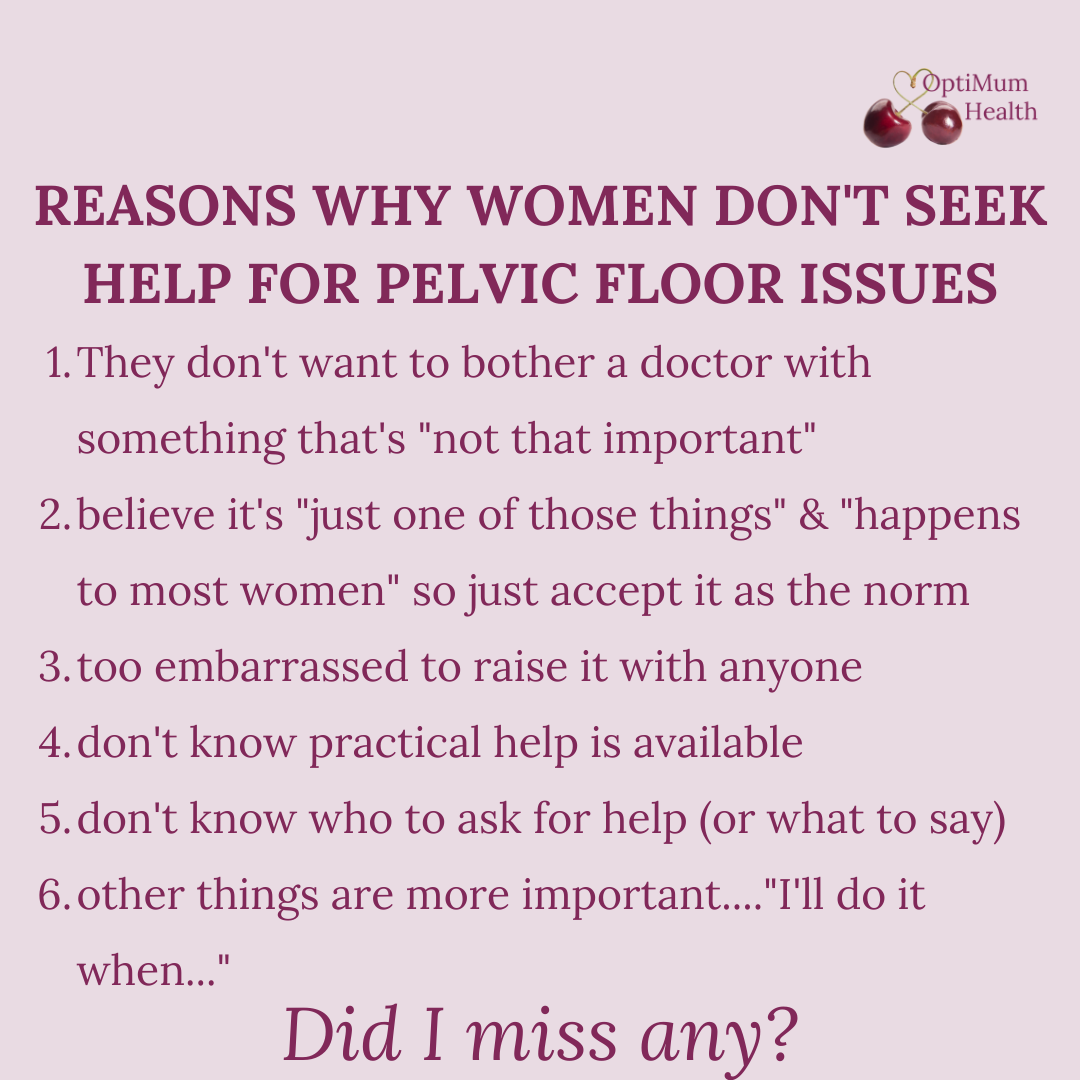
- Normal pelvic flooring workouts, usually called Kegels, can help reinforce the pelvic floor muscles that support the bladder and urethra.
- When hormonal agents like testosterone, estrogen, and others come to be imbalanced, they can cause concerns such as overactive bladder signs and symptoms, bladder control concerns, and adjustments in prostate health and wellness.
- Find out more regarding the experts behind our material on our Health Professional Team web page.
- If you discover yourself readjusting your activities or regimens due to bladder control problems, it's time to speak to a gynecologist.
Why Does Urinary System Incontinence Influence More Women Than Men?
Then, overtime, our bladders actually reduce, which leads to increased urinary regularity. A recent research located that estrogen boosts production of antimicrobial compounds in the bladder and reinforces the urinary system tissue, making it harder for bacteria to expand. Research studies reveal that approximately 1/3 of males and females in the U.S. struggle with urinary system incontinence, making it a a lot more common issue than lots of people realize. Although most usual in menopausal females, other ladies can likewise develop genital atrophy, such as Urethra those that are nursing, are postpartum, that smoke, or get on the edge of getting in menopause. Adjustments in your day-to-day behaviors can make a big difference in handling urinary incontinence throughout menopause. Tracking when leaks take place, what you were doing, just how much pee was launched, and just how much you consumed can help your provider dressmaker therapy to your demands.An All Natural Technique: Mixing Hormone Therapy, Supplements, And Movement
Each type of urinary incontinence has different reasons and monitoring methods. A 2011 research discusses just how estrogen plays a key duty in maintaining our vaginal canals and urinary system systems healthy and balanced. Your vaginal area and bladders have their very own corresponding microbiomes that keep an equilibrium of "great" and "negative" microorganisms. Bladder control concerns are really common for ladies in menopause, but it is a treatable condition.He or she will certainly also ask you lots of concerns concerning how and when you leak, which will certainly help establish the type of incontinence you might have. Find out about perimenopause and how to prevent and deal with bladder leaks during perimenopause in this post. These include topical estrogen, alpha blockers, mirabegron, and anticholinergics. The precise nature of the association in between menopause and UI continues to be not completely clarified.